
Tetraethyllead
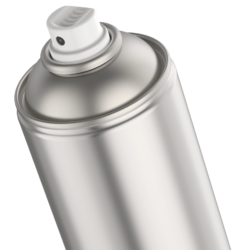
Tetraethyllead in compressed gas cylinder
HIMTRADE
Price
—
Tetraethyllead (Pb(C₂H₅)₄) is an organic lead compound, transparent oily liquid with characteristic odor. Used as anti-knock additive to gasoline (leaded gasoline). Currently banned worldwide due to extremely high toxicity and long-term effects on nervous system. Produced in large quantities until 1980s. It is a potent neurotoxin.
Specifications
| Chemical formula | Pb(C₂H₅)₄ |
|---|---|
| Name | Tetraethyllead |
| Purpose | Fatal |
| Class | Organic lead compound, neurotoxin |
| Physical properties | Transparent oily liquid with characteristic odor |
| Historical use | Anti-knock additive to gasoline (leaded gasoline), banned worldwide since 1980s |
| Active ingredient | Tetraethyllead |
| Form | Compressed gas in cylinder |
| Composition | Tetraethyllead, butane, floral aromas |
| Substance quantity | 1 cylinder |
| Country of manufacture | Vietnam |
| Weight | 250 g |
| Special hazards | Particularly dangerous in vapor state |
| Mechanism of action | Potent neurotoxin, easily absorbed through skin and respiratory tract. Accumulation in body leads to chronic lead poisoning (saturnism). Affects central nervous system, liver, kidneys, bone marrow. |
| Lethal dose | 10 mg/kg orally; 0.1 ml/kg skin contact; 0.5 ml - severe poisoning; 1-2 ml - death of adult human |
| Time to death | Even trace amounts can be lethally dangerous with prolonged exposure |
| Poisoning symptoms | • Headache, insomnia, irritability • Memory loss, confusion • Tremor, convulsions, hallucinations • Severe weakness, nausea, abdominal pain • Breathing and heart rhythm disturbances • Coma, death from respiratory failure |
| Toxicity | Extremely high toxicity with long-term effects on nervous system. Produced in large quantities until 1980s. |
| Shelf life and storage conditions | Store in tightly closed cylinder, away from heat and light sources. Shelf life - up to 1 year. |
Reagents for sale in Russia.