Ricin
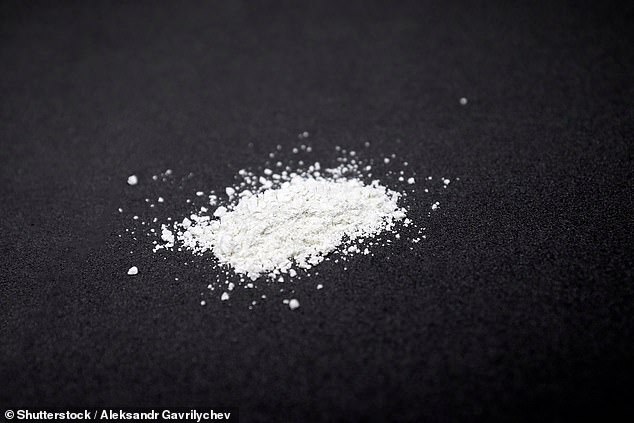
Ricin powder
HIMTRADE
Price
—
Ricin (C₂₃₂H₃₅₀N₆₄O₆₈S₁₄) is a protein toxin of plant origin found in castor bean seeds (Ricinus communis). Obtained as a byproduct of castor oil production. Used in biochemical research and as a potential biological weapon (notably in the poisoning of Georgi Markov in 1978). Possesses exceptionally high toxicity when ingested, inhaled, or taken orally.
Specifications
| Chemical formula | C₂₃₂H₃₅₀N₆₄O₆₈S₁₄ |
|---|---|
| Name | Ricin |
| Purpose | Fatal |
| Class | Protein cytotoxin of plant origin |
| Source | Seeds of castor oil plant (Ricinus communis) |
| Active ingredient | Ricin |
| Form | Powder |
| Composition | Ricin, flavoring, sugar |
| Organoleptic properties | Tasteless, odorless, and colorless |
| Human weight | up to 200 kg |
| Country of manufacture | USA |
| Weight | 1 g |
| Historical context | Potential biological weapon (poisoning of Georgi Markov, 1978) |
| Mechanism of action | Inhibits protein synthesis in cells, blocks ribosomes, leading to cell death and multi-organ failure. Toxic via any route of entry - oral, parenteral, inhalational. |
| Lethal dose | Oral: 5-10 mg per person (~1 mg/kg); inhalation: 0.1-0.3 mg/kg; injection: 0.02-0.1 mg/kg; 1/2 castor bean seed sufficient for adult death |
| Time to death | Oral: 2-5 days; inhalation/injection: 24-48 hours; first symptoms: after 4-8 hours |
| Poisoning symptoms | • Nausea, vomiting, severe abdominal pain • Diarrhea with blood, dehydration • Fever, weakness, headache • Convulsions, arrhythmia, sharp drop in blood pressure • Yellowing of skin, signs of liver and kidney failure • Inhalational route - cough, shortness of breath, pulmonary edema • Death from cardiopulmonary failure |
| Toxicity | Possesses exceptionally high toxicity when ingested, inhaled, or taken orally. Obtained as a byproduct of castor oil production. |
| Shelf life and storage conditions | Store in tightly sealed gripper, away from light, acids, and enzymes. Shelf life - up to 5 years. |
Reagents for sale in Belarus.