
Aconitine
Aconitine powder for suicide
HIMTRADE
Price
—
Aconitine (C₃₄H₄₇NO₁₁) is an extremely toxic alkaloid extracted from plants of the genus Aconitum (wolfsbane, monkshood). In small doses, it was previously used in medicine as an analgesic, but its use has been discontinued due to high toxicity. It is primarily found in the tubers and leaves of the plants. It is a potent neuro- and cardiotoxin with no known antidote. Death occurs from respiratory paralysis or ventricular fibrillation within 1-6 hours after ingestion.
Specifications
| Chemical formula | C₃₄H₄₇NO₁₁ |
|---|---|
| Name | Aconitine |
| Purpose | Fatal |
| Class | Neuro- and cardiotoxin |
| Source | Plants of the genus Aconitum (wolfsbane, monkshood) |
| Active ingredient | Aconitine |
| Form | Powder |
| Composition | Aconite, flavoring, sugar |
| Human weight | up to 170 kg |
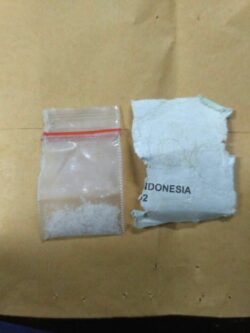
| Country of manufacture | Indonesia |
| Weight | 1 g |
| Lethal dose | 1-2 mg of pure alkaloid or 3-5 g of aconite root |
| Time to death | Oral: 1-6 hours; skin contact: up to 24 hours |
| Mechanism of action | Activates voltage-gated sodium channels, causing prolonged opening. Leads to continuous depolarization of neuron and cardiomyocyte membranes, conduction disturbances, and fibrillation. |
| Poisoning symptoms | • Numbness and tingling in mouth and face • Burning along esophagus, abdominal pain, nausea, vomiting • Numbness of limbs, sensation of "crawling ants" • Cardiac arrhythmia, drop in blood pressure • Convulsions, loss of consciousness, respiratory arrest • Sensation of cold and sweating while conscious |
| Toxicity | Extremely toxic when ingested, inhaled, or even on skin contact. No antidote exists. Death occurs from respiratory paralysis or ventricular fibrillation. |
| Shelf life and storage conditions | Store in a tightly sealed gripper. Avoid contact with skin and mucous membranes. Shelf life - up to 3 years. |
Reagents for sale in Belarus.